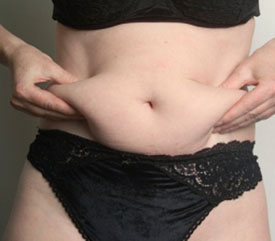
 It is estimated that the average weight gain during the menopause transition is about 10 to 15 pounds. Well, I must not be average, because I gained almost 30 pounds in less than a year when I slammed into menopause! Frustrated that I could not find a solution, I sacrificed myself as a human guinea pig and figured out how to lose it all in just 12 weeks.
To be successful, weight loss during menopause demands a new strategy. It takes more than cutting calories to lose weight during this life transition! I was surprised to discover, according to new research, that for many women menopausal weight gain is not entirely their fault.
The first culprit is aging. Both men and women lose muscle mass as they age, which can lower the body’s resting metabolism, therefore increasing the risk of weight gain and accumulating body fat around the waist.
Many women become less physically active in their 40s, 50s and 60s because life is busy; it’s a challenge to find time to schedule exercise. Less activity means less muscle mass, which means weight gain.
Now get ready for the double whammy: Aging plus hormone changes.
Studies claim that the perimenopause transition may contribute to increased fat in the abdomen, changing a woman’s shape from a pear to an apple with more of the fat disturbed around the waist. Here’s proof that weight loss is an uphill battle.
As we age and slide into menopause, it is suspected that declining estrogen levels may lower the rate of energy used during exercise. Weight loss habits and workout routines used in younger years often aren’t as effective as we age. It takes more work to lose weight. Not achieving your desired results within a certain time frame may increase frustration and decrease motivation.
Declining estrogen levels wreak hormonal havoc that can cause night sweats, and that is a formula for sleepless nights. Sleep deprivation produces increased levels of ghrelin – the hunger hormone – and decreased levels of leptin – the “stop eating” hormone. This can equal weight gain.
The list continues. Grab a glass of wine and settle in:
- Loss of estrogen may make insulin less effective at lowering glucose, and more effective at storing fat.
- Suffering from menopausal symptoms can affect a woman’s emotional health…weight goes up, self-esteem goes down.
- Normal life and environmental changes, such as children leaving or coming back home, divorce, death, career changes, can be stressful.
- The stress hormone, cortisol, directly affects fat storage and weight gain in stressed individuals. Cortisol is associated with increased appetite, cravings for sugar, and weight gain.
- There’s a link between estrogen and body fat storage. Post-menopausal women burn less fat than they did in their pre-menopausal years. Cells not only store more fat but are less willing to part with it.
- Medical conditions such as insulin resistance (when your body becomes resistant to the insulin it produces) or suffering from an underactive thyroid can pack on the pounds.
- Medications that can trigger appetite, slow metabolism, increase fluid retention, and cause muscle cramps decreasing desire to exercise are: antidepressants, antihistamines, beta-blockers, corticosteroids, insulin, statins and tamoxifin.
It is no surprise that most women going through “the change” struggle with weight gain more than with troublesome hot flashes.
Weight management during menopause is important because weight gain increases the risk of many diseases, including cardiovascular disease, type 2 diabetes, high blood pressure, osteoarthritis, and some types of cancer, including breast and colon.
There is good news! Put that glass of Merlot down and walk into your kitchen, because incorporating a new strategy can help you obtain and maintain a healthy weight.
How food can set you free. Feeding the new you!
- Eat Protein: Women naturally have less muscle mass and testosterone than men, so lean proteins such as, chicken, turkey, fish, beans, soybeans and tofu, dairy protein/Greek yogurt, low fat cottage cheese, egg whites, are a woman’s best friend during menopause. Your body expends more energy (calories) to process proteins.
- Consume healthy fats: olive oil, flaxseeds, salmon, halibut, tuna, avocados, almonds, and walnuts.
- Manage blood sugar with low to medium glycemic index foods: beans, apples, oranges, cherries, plain yogurt, sweet potatoes, oatmeal.
- Fiber is your friend keeping you feeling full longer and regular.
- Limit alcohol to 2 or less glasses per day: That totals less than 10 fluid ounces of wine, 24 ounces of beer, or 3 ounces of 80-proof distilled spirits. More than two drinks per day may increase the risk of cancer and stroke.
- Don’t smoke.
- Watch salt intake to reduce fluid retention.
- Practice portion control. Using smaller plates can help.
- Keep a food diary and create a food plan. There are many great apps for your mobile that may help.
- Eat every 3-4 hours so you don’t get hungry. Three meals and two snacks per day (three if you wake up early).
- Exercise at least 30 minutes most days of the week to maintain a healthy weight; increase workout time if your goal is to lose weight.
- Make breakfast and lunch your largest meals.
- Nourish healthy emotions: are you happy, are you surrounded by healthy relationships, is your self esteem high?
If you want to enjoy some dessert after dinner, then don’t eat a starchy carbohydrate, such as white rice, with that meal. For example dinner can be broiled chicken, steamed veggies and a glass of red wine. Then you can have your cake and eat it, too (small serving).
Weight loss is possible with a few changes. Negotiating the Glycemic Index is a powerful tool. Aim for low to medium glycemic foods, toss in some physical activity and have realistic expectations.
Focus on you! Me-NO-pause!
By Staness Jonekos, Author “The Menopause Makeover”



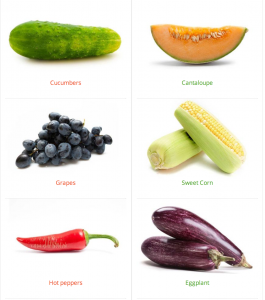
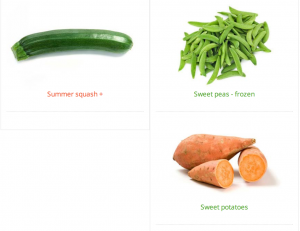
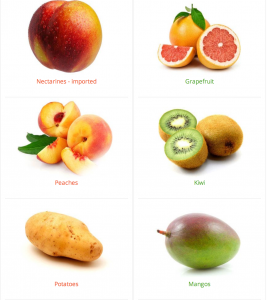

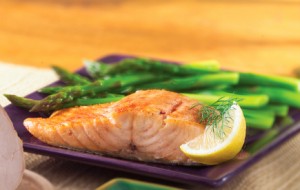

 When you follow the Menopause Makeover Food Pyramid, you will be using the thermic effect of food to help burn off that stubborn menopause belly fat. The thermic effect of food is the amount of energy it takes your body to digest food.
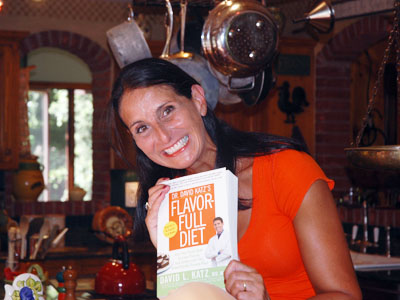
 Counting calories helped me conquer the menopause bulge! Thanks to Dr. David Katz, director and co-founder of the Yale Prevention Research Center who created a nutritional scoring system called NuVal, I was able to watch calories and eat nutritious foods!
  I want to share two of my favorite Hungry Girl recipes from Lisa’s latest book,
  Featured Guest Chef, Dana Slatkin
 Lisa Lillien, founder of HungryGirl.com, will be our next guest “foodologist!” Lisa’s guilt-free recipes can be found in her upcoming book, 200 under 200. Yep, that’s 200 hundred recipes, under 200 calories! During the menopause transition, every calorie counts. Lisa is a hungry girl like the rest of us, but she has managed to create sinful recipes that are low calorie and tasty, so you can meet your food goals. Lisa’s new easy-to-use cookbook, 200 under 200, can be purchased at The Menopause Makeover Store,
  Check out Hungry Girl’s website and purchase her first book, Hungry Girl: Recipes and Survival Strategies for Guilt-Free Eating in the Real World.